Almaty Museum of Arts мұражайында видеоарт пен медиаөнерге арналған жаңа Медиа залы ашылды
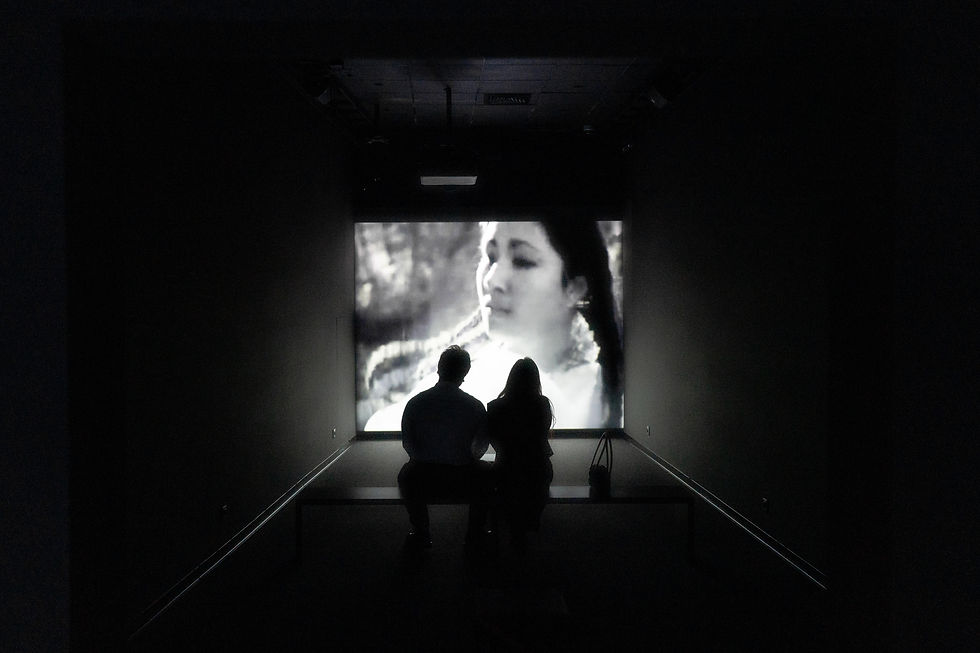
Бұл кеңістікте ұсынылып отырған алғашқы жұмыс – «Қонақтар» көрмесі аясында мұражай коллекциясынан алынған суретші Саодат Исмаилованың «Оның құқығы» (2020) атты видеожұмысы.
Бұл кеңістікте ұсынылып отырған алғашқы жұмыс – «Қонақтар» көрмесі аясында мұражай коллекциясынан алынған суретші Саодат Исмаилованың «Оның құқығы» (2020) атты видеожұмысы.
Саодат Исмаилова (1981 жылы дүниеге келген, Ташкент) экспериментал деректі кино мен заманауи өнердің тоғысында жұмыс істейді. Өз жобаларында ол Орталық Азия тарихын, экология және әйелдің өмірлік тәжірибесін қайта ой елегінен өткізіп, ориенталистік және кеңестік нарративтерге сыни көзқарас танытады.
Суретші алғаш Ташкентте білім алып, кейін оқуын Италиядағы Fabrica өнер және коммуникациялар орталығында және Франциядағы Le Fresnoy медиаөнер орталығында жалғастырған. Бүгінде оның шығармашылығы халықаралық өнер сахнасында кеңінен танылған. Саодат Исмаилова заманауи өнер әлеміндегі маңызды оқиғалардың бірі саналатын 59th Venice Biennale мен documenta fifteen көрмелерінің негізгі қатысушыларының бірі болды.
Оның видеожұмыстары Париждегі Centre Pompidou, Лондондағы Tate Modern және Guggenheim Abu Dhabi сияқты ірі өнер институттарының коллекцияларында сақталған.
2022 жылы суретші кино мен заманауи өнер тоғысында жұмыс істейтін авторларға берілетін Eye Art & Film Prize сыйлығын иеленді. Ал 2024 жылы Art Basel Awards марапатында Emerging санаты бойынша алтын медаль алды.
Исмаилованың көркемдік тілі көбіне өзбек киносының поэтикасына сүйенеді: онда көркем визуал шешімдер символизммен және медитативті баяндаумен ұштасады.
«Оның құқығы» (14 мин. 47 сек.) бейне туындысы 1920 жылдары басталған кеңестік «Худжум» науқанын назарға алады. Өзбек тілінен «шабуыл» деп аударылатын бұл науқан кеңес билігінің әйелдерді азат етуге бағытталған батыл әрекеті болды. Бұл қозғалыс әйелдерді дәстүрлі чадра киюден бас тартуға шақырып, олардың қоғамдағы еркіндігі мен теңдігін жақтады.
Классикалық өзбек киносының кадрларын пайдалана отырып, суретші бұл саясаттың әйелдердің тағдырына тигізген күрделі салдарын зерттейді. Жұмыс әйелдердің эмоционалдық тәжірибесін көрсетіп, олардың дсалт-дәстүр мен азат ету уәделерінің, мемлекеттік идеология қысымы және әлеуметтік қауіптер арасында қалған қайшылыққа толы ақиқатын ашады.
Медиа залының ашылуы мұражайдың медиаөнер бағдарламасын әлдеқайда кеңейтіп, Орталық Азия мен халықаралық арт-сахна суретшілерінің бейне жұмыстарын тұрақты түрде көрсетіп отыруға арналған жаңа кеңістік қалыптастырады.